Mina Ibrahim
Care & Culture: Fairuz's Cultural Significance to Arab Immigrants in the West
On early winter mornings, in a small, warm apartment in the heart of Beirut, Lebanon, four children sleep peacefully while their young mother rises to begin her day. The first thing that registers in my mind when I wake is the soft, muffled sound of music drifting from the kitchen, where my mother spreads homemade hazelnut spread on pita bread. I know it’s morning when I hear the angelic voice of Fairuz emanating from the radio.
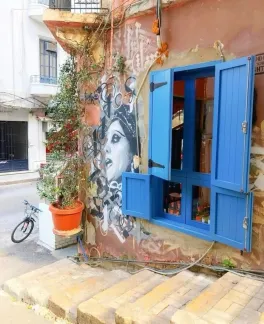
Fairuz—born Nouhad Wadie Haddad on November 21, 1934 or 1935 in Beirut—is perhaps the most beloved and iconic singer in the Middle East. With an extensive discography and countless records, her music has become a cultural touchstone that transcends generations. For anyone from the Middle East, mentioning Fairuz immediately creates a shared connection. Her voice is unmistakable, and her songs are universally recognized. In a region as rich in history and complexity as the Middle East, Fairuz’s music offers a constant—a voice of comfort, solace, and nostalgia. Her songs have been passed down through generations, and there is never a time when her lyrics fail to resonate. Whether singing about love, war, heartache, homesickness, or the longing for a distant loved one, Fairuz’s music remains timeless. It not only reflects the past but continues to echo through the decades, bridging generations and crossing borders.
This connection becomes especially significant for immigrants—those who leave the Middle East to seek new opportunities or safety in the West. Fairuz’s music acts as an anchor for them in their new lives, easing the pangs of homesickness and helping them stay connected to their cultural roots. For many, the sound of Fairuz is the closest they can get to home. In faraway lands, distant from the traditions and people they grew up with, Fairuz’s voice provides comfort and continuity; it’s almost a safety blanket. Her music serves as a memory of simpler times, helping them keep their Middle Eastern identity intact while navigating life in a foreign place.
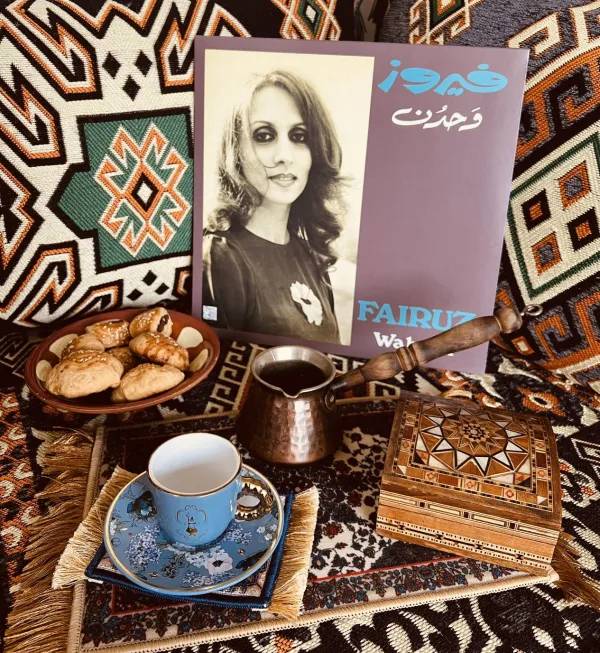
Fairuz’s music speaks to the broader themes of Care and Culture, particularly within the immigrant experience. Care is reflected in how her music nurtures and sustains those who are far from home, offering them a sense of emotional safety and connection. For immigrants, her songs become a refuge from the disorienting feelings of displacement. When they need comfort, they can turn to her music, knowing it will transport them to a time when they were surrounded by familiar faces, a sense of home, and the people they love. Her songs resonate with anyone who has experienced the longing for home or the desire for a better, more just world.
Culture is expressed through how Fairuz’s music preserves the traditions and stories of the Middle East, acting as a vessel for cultural memory and a symbol of resilience. Listening to her, immigrants reaffirm their connection to their heritage and pass it on to future generations. Many families create rituals around Fairuz’s music—playing her songs while sitting together over a cup of Lebanese coffee, poured into small demitasse cups. Her music is more than just sound; it’s tradition, warmth, and a reminder of home, no matter how far away that home may be. Her voice evokes a sense of being a child again, sitting with family while the same songs played in the background, just as they do today.
Fairuz is not just an extraordinary singer; she is the embodiment of the Middle East itself. Through her voice, she captures the region’s joys, sorrows, and dreams. She has become a symbol of the enduring strength of the Middle Eastern people, especially for those living far from their countries of origin. For the Arab diaspora, Fairuz’s music is a reminder of their younger days, memories of loved ones, and of who they are and where they come from. Her music bridges the gap between the past and the present, allowing immigrants to reconnect with cultural values they may feel disconnected from in their new lives. It also helps ease the loneliness that comes with leaving behind everything familiar in pursuit of a new beginning in a foreign land.

Listening to Fairuz is more than an act of nostalgia—it is an act of cultural resistance. It is a way for immigrants to preserve their identity and pass down their cultural heritage to future generations, even in the face of societal pressures to assimilate. In her music, there is a deep sense of belonging, a reminder that no matter where they are, they carry their culture with them. Her songs offer hope that one day, they may return to the home they long for so deeply.
Fairuz’s music has a timeless quality, remaining relevant across generations and borders. For immigrants, her songs provide more than just a soundtrack to their daily lives; they offer a vital link to their roots, grounding them in their culture and history, and reminding them that even in exile, they are never truly far from home.
In the context of Care and Culture, Fairuz’s music embodies these themes in a profound way. Through her voice, she provides emotional care for those in need of connection, preserves the culture of the Middle East, and speaks to the desire for justice, both in the region and for those displaced from it. Her music will continue to serve as a powerful tool for both community and personal healing, uniting those far from home and offering them a sense of peace and belonging in an often-unwelcoming world.
Listen to Mina Ibrahhim's playlist of Fairuz Classics!
Mina Ibrahim, originally from Baghdad, Iraq, is now based in Columbus, Ohio. She graduated from The Ohio State University with a degree in psychology, focusing on the mental effects of the refugee experience. Through music, Ibrahim explores and amplifies shared stories often forgotten.