Neighborhood Design Center
Community Project Spotlight Eastland’s Canvas: Youth CoLab 2024
Mikey Mlakar for Neighborhood Design Center
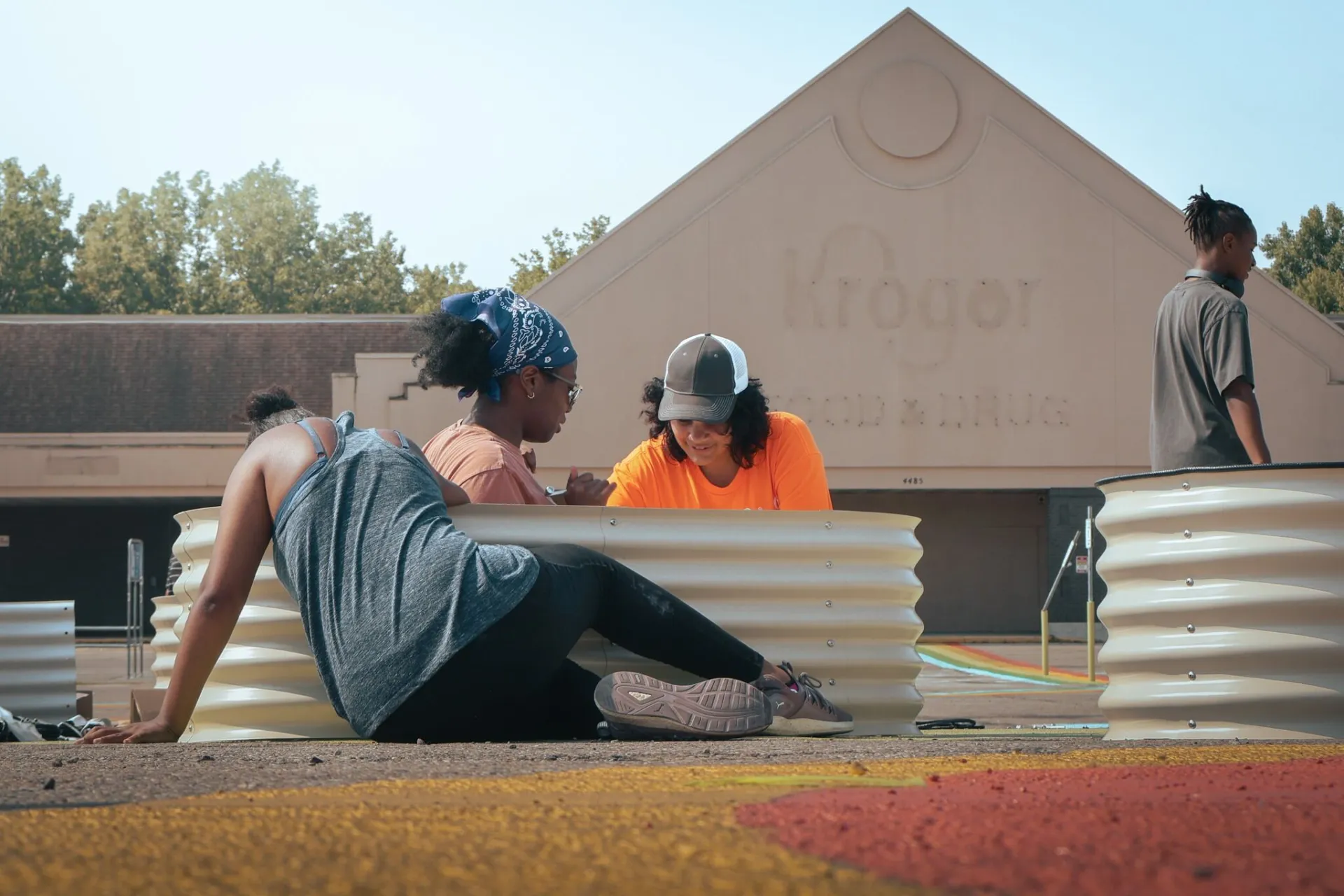
How can design serve as a vehicle for social change? The Youth CoLab, an award-winning six-week paid internship program of the Neighborhood Design Center (NDC), is dedicated to addressing this question.
Local high school students are empowered through this initiative to explore the world of design, bridging an imagination gap that exists among the communities NDC serves.
Through hands-on experiences, mentorship, and site visits, students are introduced to a variety of opportunities, breaking down systemic barriers that may have prevented their access previously. By compensating students for their participation, the Youth CoLab not only combats financial inequity, but also affirms the value of diverse voices in shaping the built environment. As shared by Dilynn Jeferson, a 2024 Youth CoLab participant, “It feels amazing, like I get to put my name on the thing, ‘Dilynn with NDC made this,’ like that’s how I feel… I’m part of the change, I’m doing something! Like people always say ‘I wanna do this, I wanna do that,’ but they never go out and do it themselves. So it’s different, like when you actually go out there and do it yourself, you feel something in your heart.”
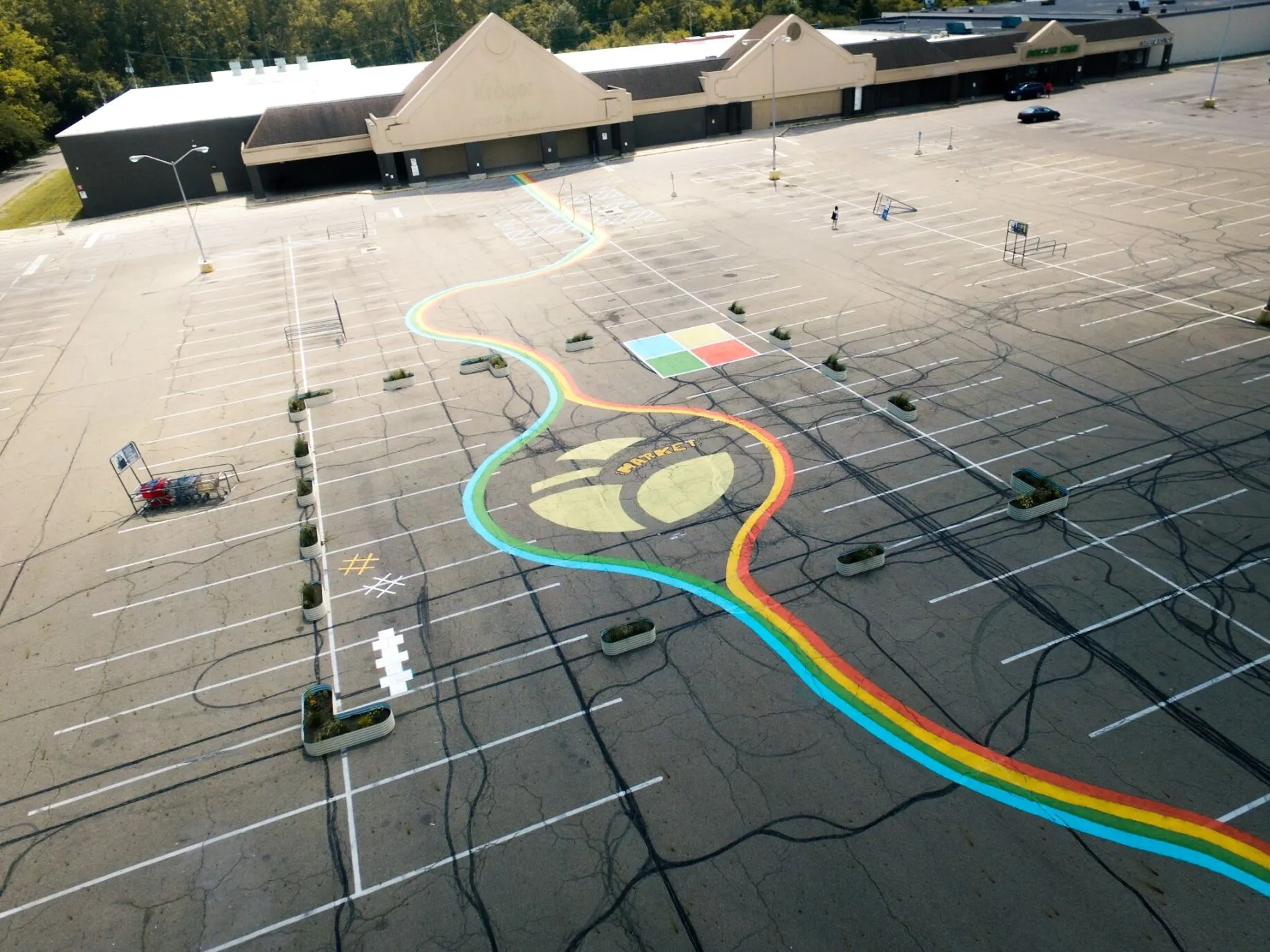
This sense of personal impact came to life through the 2024 partnership with MidOhio Food Collective (MOFC), as interns were tasked to reimagine their outdoor space at the former Kroger grocery in Eastland. Purchased by the organization in 2023, MOFC has since shared plans to renovate the facility and transform the property into a hub for social services, now formally known as the Eastland Prosperity Center. Columbus city officials have joined these efforts with their investment of $4 million into the development—the largest single contribution made thus far. The transformation reflects efforts toward justice-centered design, reclaiming a neglected site to serve as a beacon of opportunity for over 100,000 residents annually. By addressing the systemic inequities that created a human services desert, the project advances our city's commitment to fostering equitable, thriving neighborhoods for all.
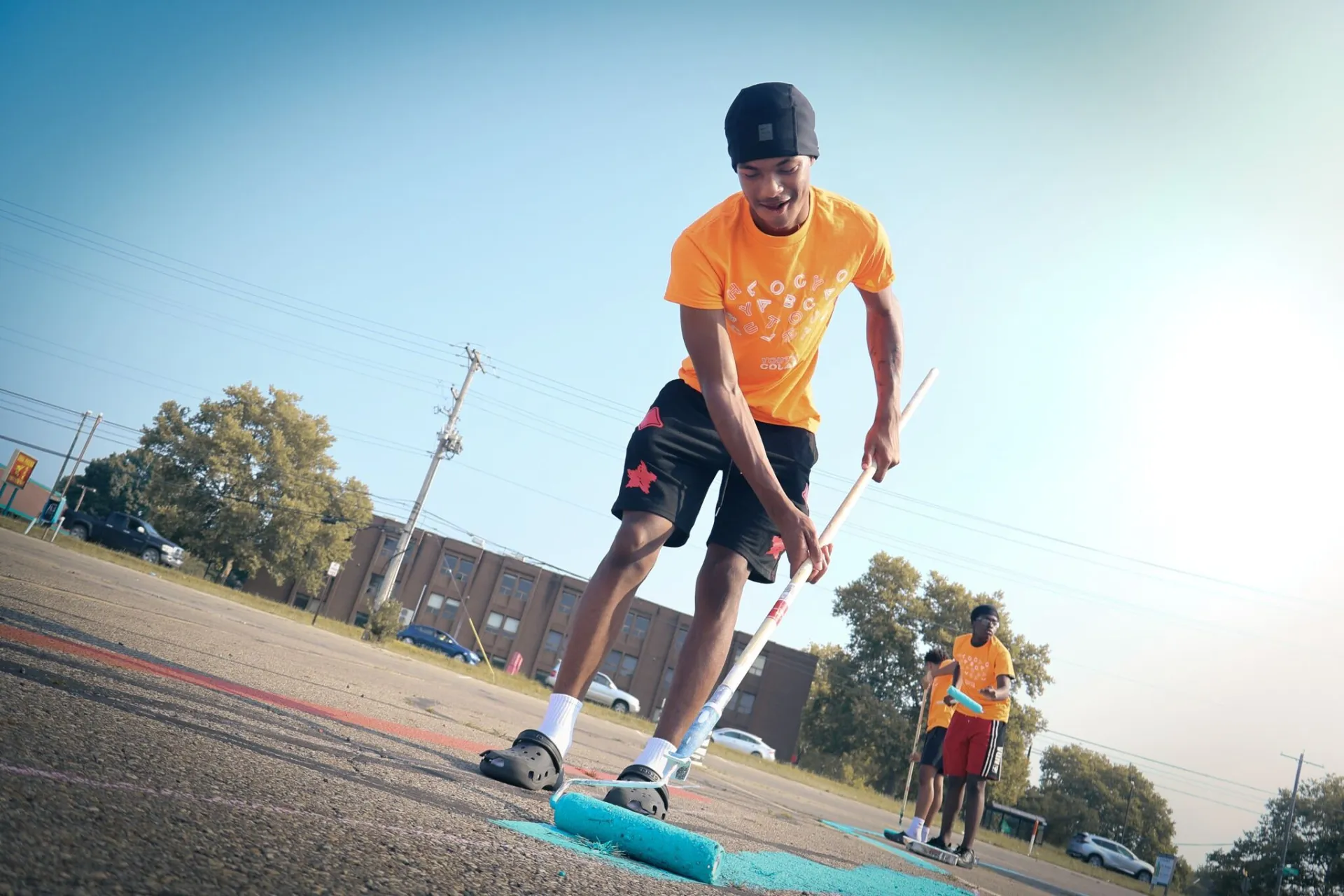
This year’s program built on the momentum of Eastland for Everyone, a community planning initiative focused on revitalizing the area. With most interns either living or attending school in Eastland, the 2024 project team reflected the neighborhood itself. Over six weeks, participants engaged with the entire life cycle of a built project, from concept to implementation. By centering the voices of local residents— particularly youth—the interns prioritized justice, addressing critical issues of safety, accessibility, and inclusivity in their designs. The resulting public space expresses the needs and aspirations of the community, fostering connections across generations and abilities. This work is not only a testament to the interns’ creativity and commitment but also a model for how youth engagement can drive meaningful change. As Eastland’s Canvas continues to evolve, it stands as a reminder that design, when rooted in justice, can transform both spaces and lives.
Photos credit: Kaleb Duarte
Hear from the students about their experience
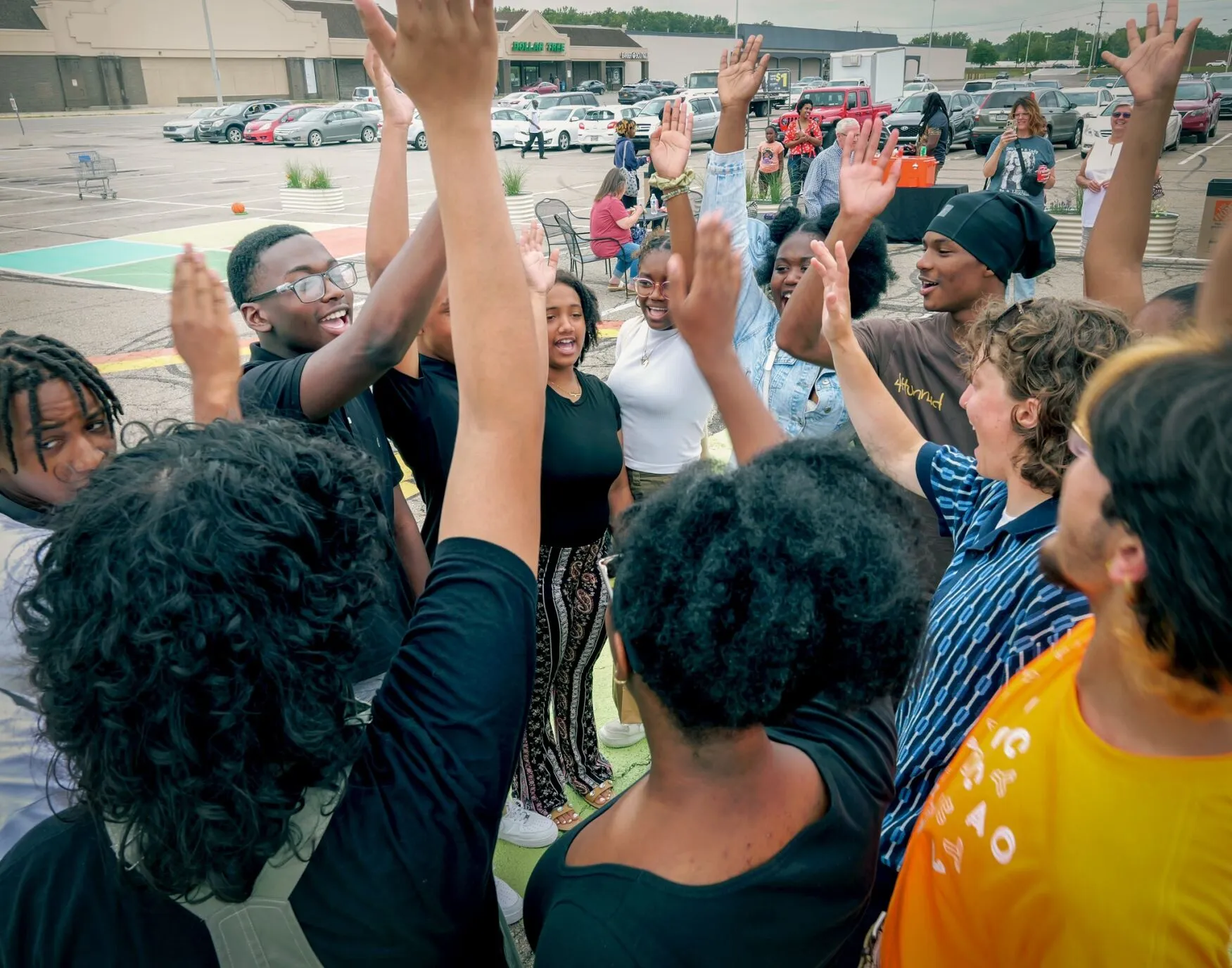
The Neighborhood Design Center (NDC) is a Columbus-based 501(c)(3) nonprofit dedicated to empowering historically disinvested communities and their residents through the built environment. By providing services related to public engagement, project visioning, and systems advocacy, the NDC equips those it serves with design as a right, not a privilege.