Wild Goose Creative
Care and Connection Through Art: Artist Interview with Cee and Weiteng Wei on Transparent Chrysalis
by Madalynn Conkle for Wild Goose Creative
Edited by Sarah Barr
Wild Goose Creative is about a lot of things: sustainable partnerships and artistic collaborations. It’s about giving artists resources and facilitating their work. It’s about creating a space for people to experience art and engage each other, to tell stories and listen. It's about participating in the growing arts culture of Columbus, Ohio. Mostly, Wild Goose Creative is about helping to build a vibrant community of people who care about creativity. Our mission is to build a creative community at the intersection of art, risk, and meaning.
The Portfolio program is a pillar of Wild Goose Creative (WGC). Its goal is to educate and build a creative community through monthly panel discussions, networking events, and specialized workshops. Portfolio introduces Wild Gallery artists and other speakers to the community by sharing stories, best practices, and hands-on learning opportunities. You can learn more about our upcoming events at https://www.wildgoosecreative.com.
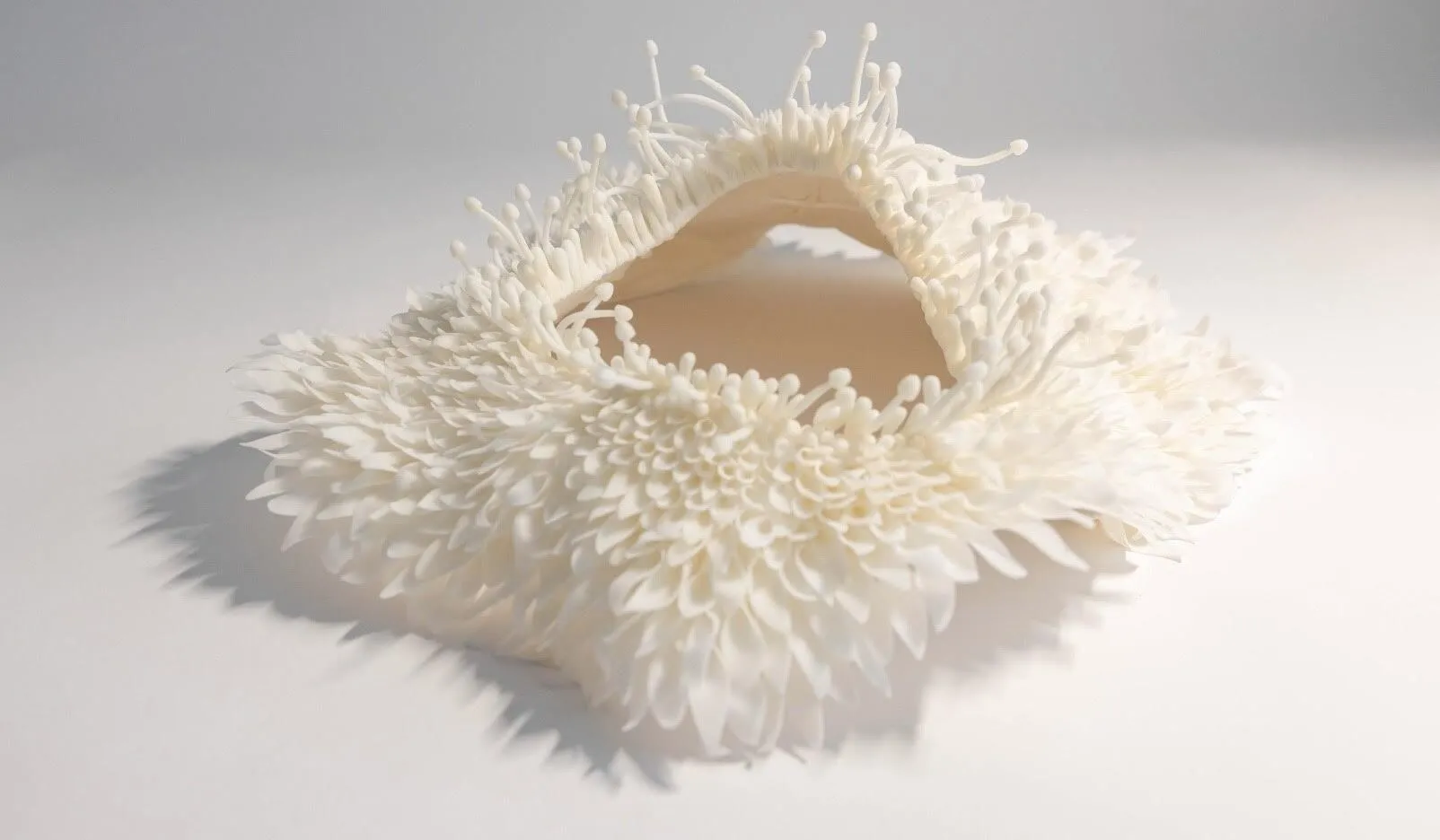
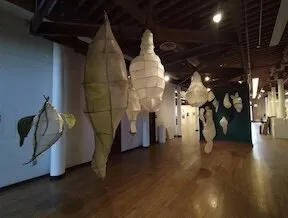
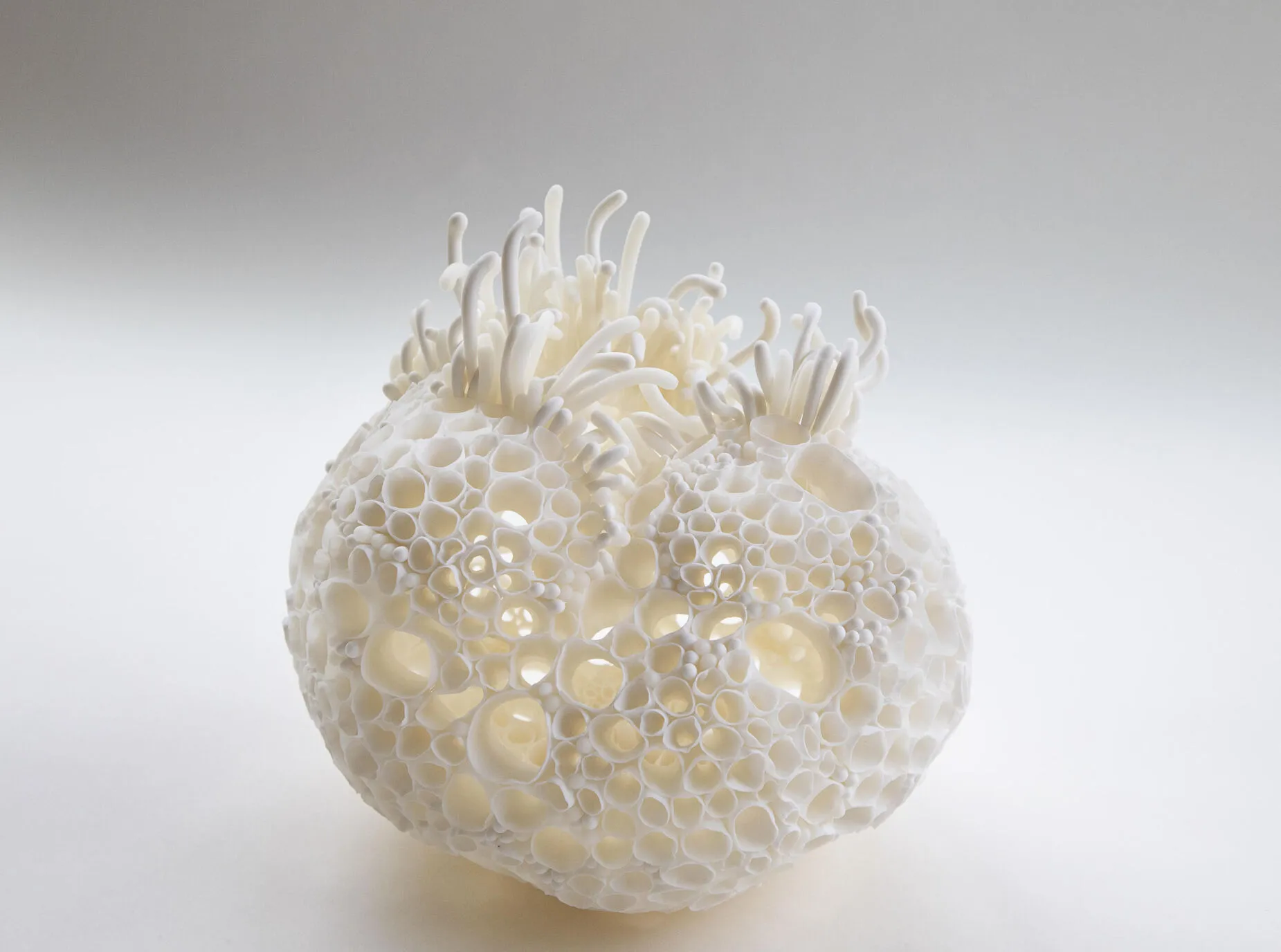
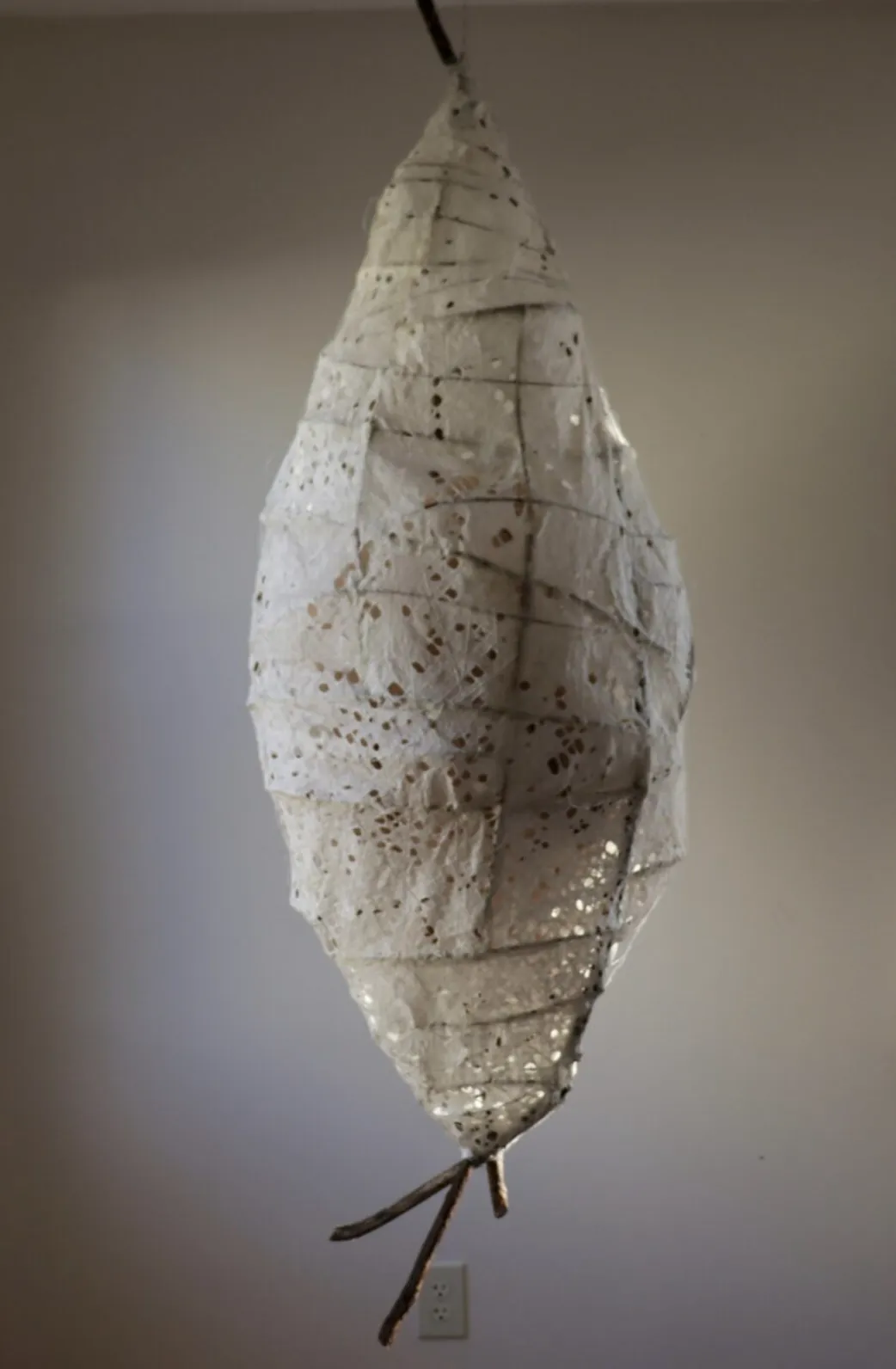
Transparent Chrysalis is a two-woman exhibition created by award-winning artists Cee and Weiting Wei. Both rooms of the gallery will have multiple installations, with large and small sculptures as well as wall pieces on view from May 9–30, 2025. This body of work was supported through a project grant from GCAC. Themes of the artists’ work include birthing, emergence, and transcendence.
Care is an integral part of your artistic practices, both in process and theme. How do you define care within the context of your work
Weiting: My daily life as a mom serves as a significant source of inspiration for my artwork. The routines and tasks I engage in on a daily basis provide a natural framework for my creative process. I find that using methods similar to those I rely on in domestic life—such as repetitive movements and familiar tools—helps me connect deeply with the materials I work with. This connection is not just technical, but also emotional, allowing me to explore the nuances of the materials through muscle memory and intuition.
In my work, I often incorporate kitchen tools, which are not only functional but also evoke a sense of routine and repetition. These tools, used for everyday tasks, mirror the repetitive motions of a mother’s life—whether it’s stirring, kneading, or chopping. The act of using these familiar objects in my creative practice creates a direct link between the physicality of motherhood and the process of making art. This cyclical, almost meditative repetition allows me to engage with my work in a way that feels both intimate and grounding, reflecting the constant flow of tasks and the subtle joys that come with them.
Cee: My work has always been about the big questions: “What is the nature of Reality?” “Why are we here?” “Who am I?” After decades of spiritual seeking and meditation, I want to communicate what I have discovered. I care about communicating to my human brothers and sisters through a visual language.
How do the materials and/or processes you use embody or reflect acts of care?
Weiting: My favorite material is white porcelain. However, after graduating from my MFA program, I was no longer able to use porcelain as my main medium. At the time, my son was just a year and a half old, and my kitchen island and dining table became my work surfaces. I needed to choose a material that was safe to use and easy to clean up at home. That's when I decided to switch to polymer clay as my primary material.
The domestic realm and motherhood are recurring themes in Transparent Chrysalis. How do these experiences shape your understanding of caregiving in art and life?
Weiting: Being a mom, especially the primary caregiver in a family, requires a heart full of love. It’s through this love that we are able to contribute, endure, and forgive. As I create, the process of forming shapes brings me peace and relief from anxiety and tension. It allows me to experience moments of flow, using my body to shape the materials and release emotions. Even though I may reflect on the moments in my day I’m least proud of while I work, the act of creating offers me a sense of release and transformation. The journey of motherhood brings many struggles, but I am determined to turn those challenging moments into beautiful artworks. These creations serve as a reminder of how I’ve grown and become a better version of myself.
Cee: The materials I use are often iridescent, transparent, and reflective of light. Fabrics, papers, and paints that shine evoke the bright awareness emanating from every being. In addition to being a mother of three children and a grandmother to three amazing granddaughters, I was a Hospice Spiritual Caregiver for years. Looking in the eyes of another is a gesture of care. I feel there are not two beings or multiple beings, only one Consciousness peering out from all the eyes. Caring is very natural when you know that everything is interconnected. One hand helps the other without thinking.
As collaborators, how does the act of working together embody care? Are there specific moments where your collaboration strengthened the themes of caregiving or connection?
Cee: When I first saw Weiting Wei’s work in a group show, I fell in love with it. I could feel her soul and spirit emanating from the exquisite subtle textures of her polymer clay art. From that moment, I dreamed of having an art exhibition with her. I reached out to her and she agreed.
It was no surprise upon meeting her to find a beautiful, brilliant, and empathetic woman. Neither of us had collaborated with another artist before. She took one of my bare-bones sculptures and turned it into something interesting and compelling. Working with her has taught me so much; our strengths complement each other.
Do you see your work fostering a sense of community care? If so, how do you intentionally create space for that in your art?
Weiting: Through sharing my stories of motherhood and the emotions I've experienced, I hope to convey a positive attitude toward facing struggles. I also want to highlight the importance of being proud of our ability to care for not only our families and friends, but even strangers.
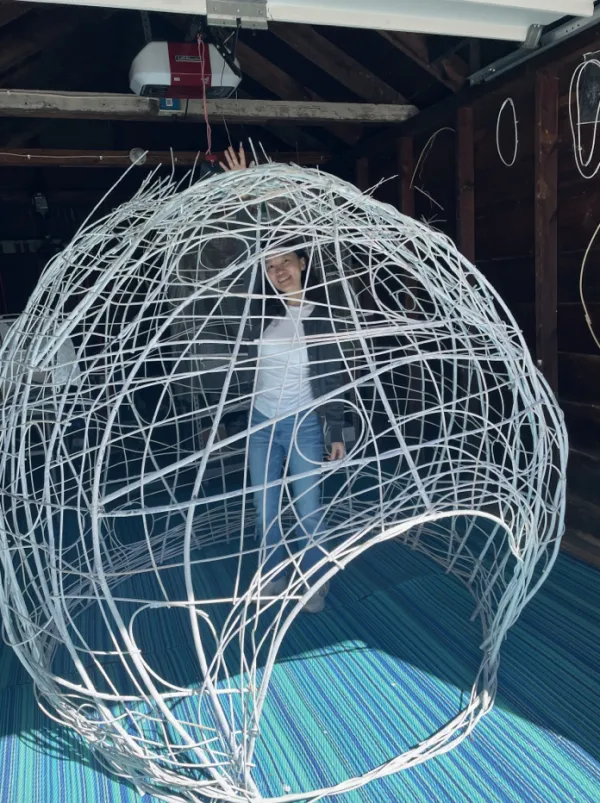
Cee: Transparent Chrysalis will invite the audience to feel in their bodies what transformation is. We are creating art that can be walked into like the installation Release. Chrysalis Hut, a structure that a person can crawl into. The hut is meant as a sacred womb-like space for people to hibernate for a while and come out renewed.
How do you hope your audience will respond emotionally or intellectually to the themes of care?
Weiting: Feel being loved, being protected. Feel hope and faith to reach their goals in life.
Cee: I have no expectations for how people will respond. Some people walk on a flower, some smell it, some pick it, many don’t even notice it. All responses are valid. My hope is that our work conveys a taste of the essence of life. Most of my life, I have been an artist-loner trying to somehow communicate with my art. Moving to Columbus I discovered a wonderful community of artists and art opportunities that I have never experienced before. I am truly grateful.
How do you approach caring for the emotional weight of the narratives embedded in your work, especially those tied to memory, tradition, and personal growth?
Weiting: I have many beautiful memories from my childhood. I was born in a village, and nature gave me countless gifts. My emotions found solace in the natural world. My family was full of love, and my parents showed me great understanding and support. The rich culture of my village also had a significant influence on me. After becoming a mother, I often turn to my own mom for guidance. Her hard work and resilience continue to inspire me till now. So, I hope to pass on the love I’ve received from nature, villagers, friends, and parents through my work.
Cee: Care is another way of saying “be aware,” “be consciousness.” Care should not entail specific good acts. Historically, much suffering and torment has come from one group’s “care” for another. Like one religion trying to convert others, or people taking animals away from their kin to “care” for them. Especially in these troubled times where people’s rights are being taken away, it is important to care for each other. Caring causes joy, and joy can be a radical act. If we are truly caring, we will be aware of the interconnectedness of all things in the Omniverse. Taking risks, struggle, and pain are natural components of transformation. Making art is my way of dealing with painful feelings. Again, awareness is key.
If care is a form of connection, how do you hope this exhibition connects viewers with themselves and with each other?
Weiting: I hope that through our work, my audience will think of those they care for and those who care for them. I also hope they can find emotional resonance and awaken their inner strength.
Cee: Listening to others is key to caring. In an art collaboration, one needs to ask what the other thinks and feels and take a back seat if needed. I know that art can change lives and expand our limited assumptions.
I love to be in a gallery and hear friends discussing works of art. Once I was in a museum, and a group of us were looking at a Monet painting. I heard someone say, “I have the biggest hard-on.” Art affects us on levels visceral and spiritual, deeper than mind and material existence. If Transparent Chrysalis causes joy, that is radical.
Wild Goose Creative is about sustainable partnerships, artistic collaborations, and giving artists resources to facilitate their work. Wild Goose creates a space for people to experience art, engage with each other, tell stories, and listen. It’s about participating in the growing arts culture of Columbus, Ohio. Wild Goose Creative’s mission is to build a creative community at the intersection of art, risk, and meaning.