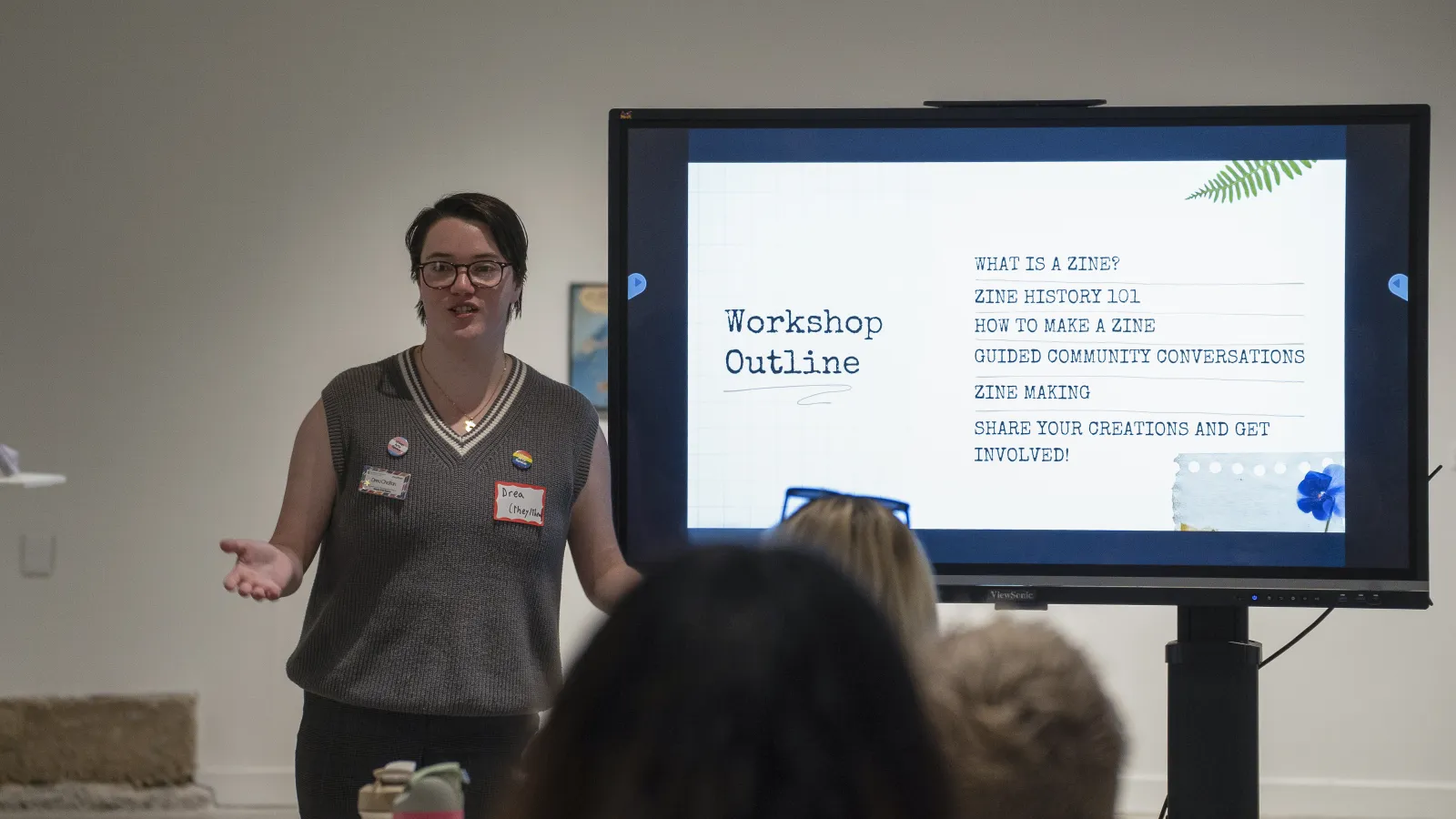
In late May, I was approached by the senior staff at Urban Arts Space. There wasn’t an Artist Commune event for June planned and they wanted an intern to plan the event. I jumped on the opportunity as a chance to bring a direct focus on Pride Month and encourage engagement with more of the queer community. Thus, I began the journey of creating Artist Commune: Zines Out Loud.
The start of my journey was focused on finding a topic. Artist Commune is a monthly event series from Urban Arts Space that brings the community together to create and discuss art. We have held Artist Commune events with themes such as knitting, hip-hop storytelling, figure drawing, and upcycling. When I took on this project, the only thing I knew for certain was that I wanted this event to be explicitly Pride themed, but I had no clue what art activity could connect the queer community and allies. That is, until the idea of creating zines came up.
I can’t recall whose idea it was to do a zine workshop, but I was excited by the proposal to run an event focused on these radical distributions. I felt like it was the right choice given the focus on the queer community. However, I soon realized that I didn’t really know anything about them. I had heard the term “zine” thrown around in my communities, but I never fully understood what zines were or why they were so impactful. Zines are pamphlet-like self-publications featuring a variety of artwork, from writing to comics and everything in between. I knew that if I wanted to host an event focused on radical and resistant zines for the LGBTQIA+ community, I had to do my research and develop more awareness of zine culture—a community so close and interconnected with mine.
To start my research, senior staff members gave me some recommendations. I was directed to Zine Club Columbus to learn more about making zines and meet other zine makers. I also found out that Ohio State has a large zine collection at the Rare Books and Manuscripts Library as part of their special collections. As soon as I set the plan in place, I signed up for Zine Club Columbus’s Zines 101 workshop and scheduled an appointment to look at the queer zines and ephemera.
The Zines 101 workshop was incredibly influential in the development of Zines Out Loud. I learned some zine history and helpful beginner zine-making advice. I learned that self-publications such as the Reynolds Pamphlet could be classified as zines, but the more modern definition was popularized through sci-fi fanbases, with fans using them to communicate in the 1930s. From that, the fanzine was born and the concept branched out in the decades following. The one-page zine is the easiest to make; after seeing it demonstrated at this workshop, I know that I would be passing that along to Zines Out Loud. I also got to meet a wonderful local artist and zine creator, Rebecca Richardson, who is the primary leader of Zine Club Columbus and the museum educator at the Billy Ireland Cartoon Library & Museum. She served as a wonderful teacher throughout this process.

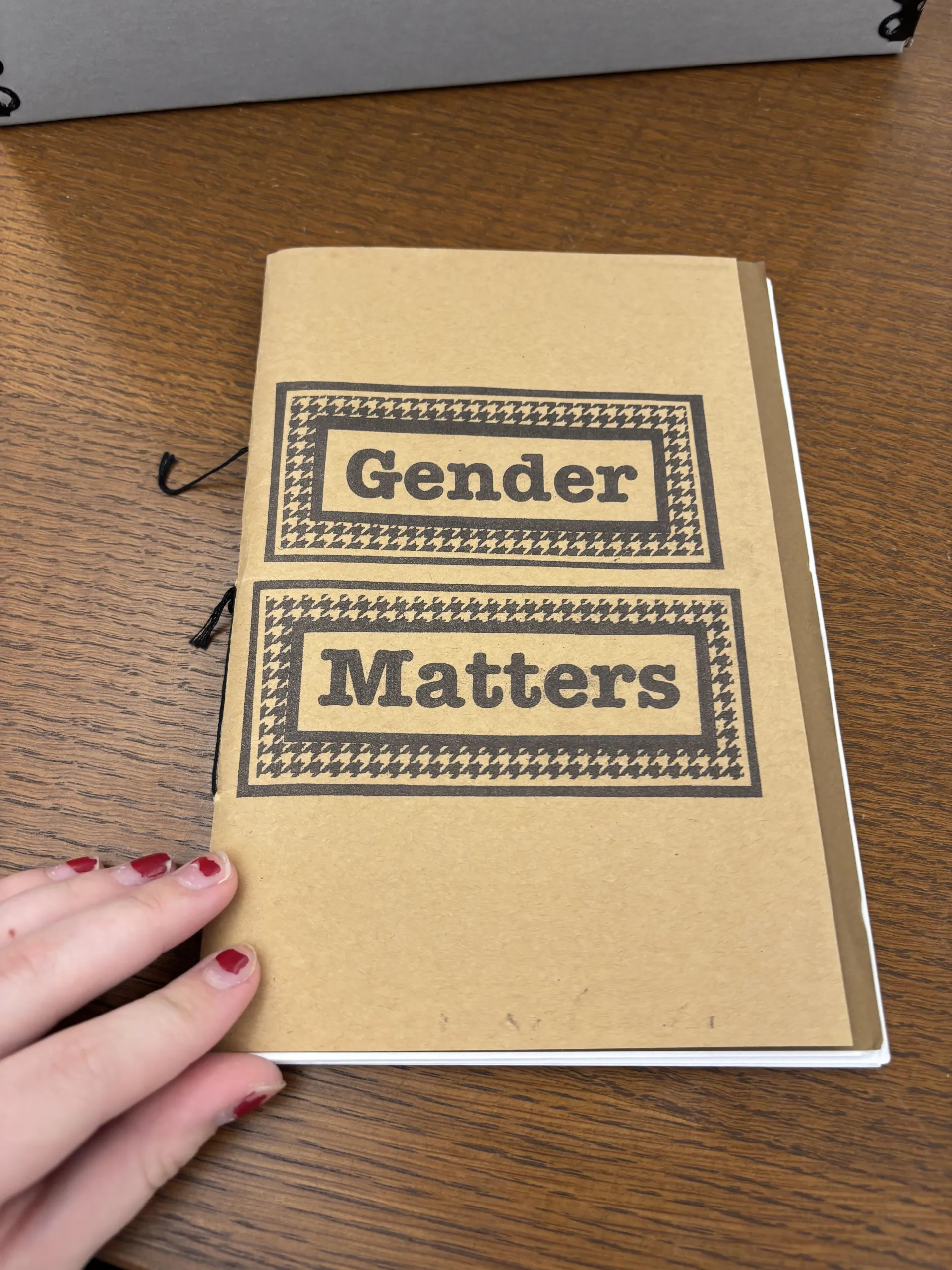
During my visit to the Rare Books and Manuscripts Library at Ohio State, I dove into queer zines, Riot Grrrl zines, and Sniffin’ Glue zines. I saw zines of all shapes and sizes with a variety of bindings and distribution methods. Some were folded and mailed, while others were bound with ribbon and sent through a high school gay–straight alliance club. I also got the chance to explore some portions of queer history I didn’t know. From the methods of communicating to quirks of each sub-community, there is so much more to learn than the most commonly discussed historical landmarks. The zines I studied reinforced the idea that this form of physical media that evaded censorship would be perfect for Artist Commune.
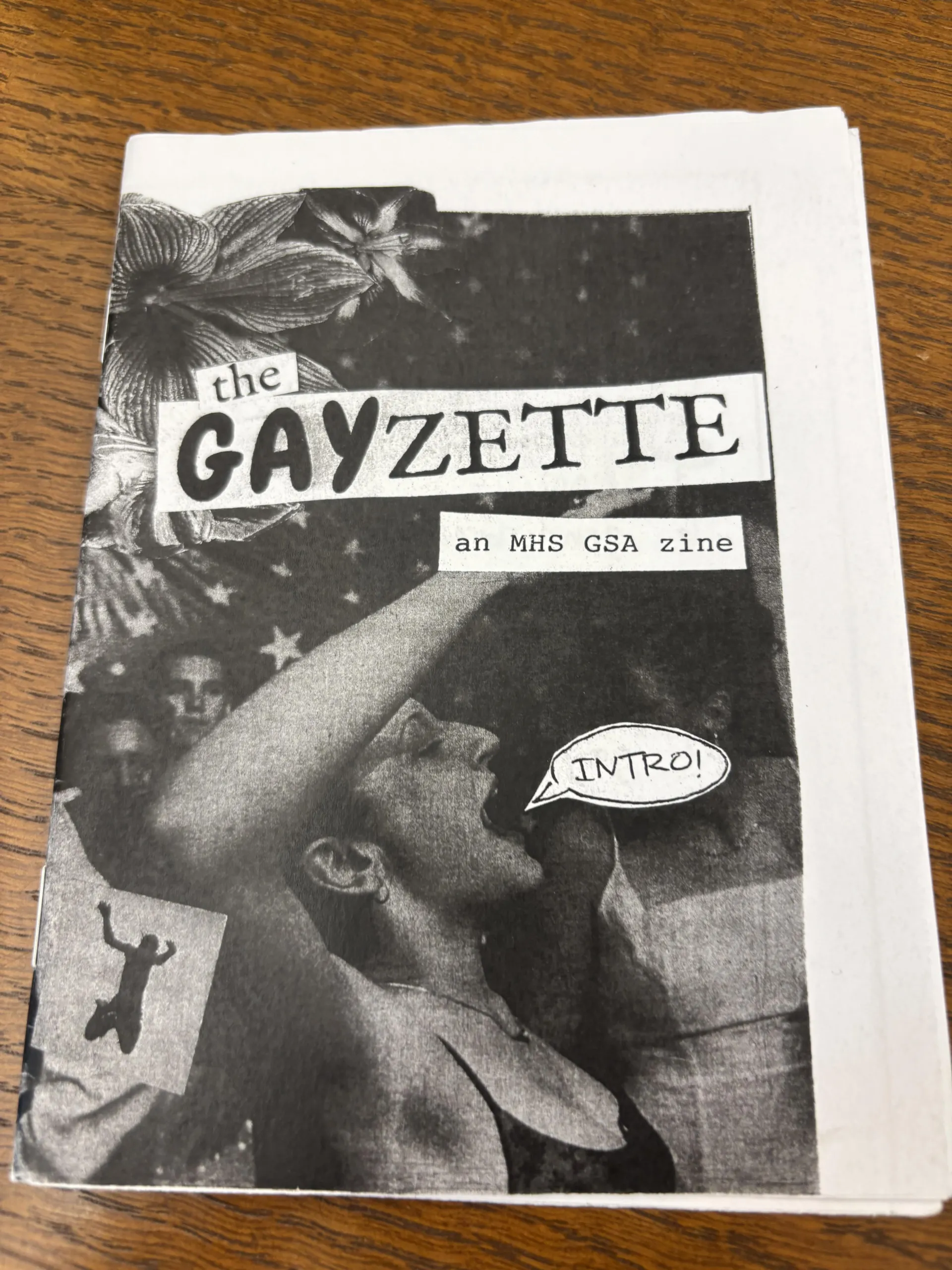
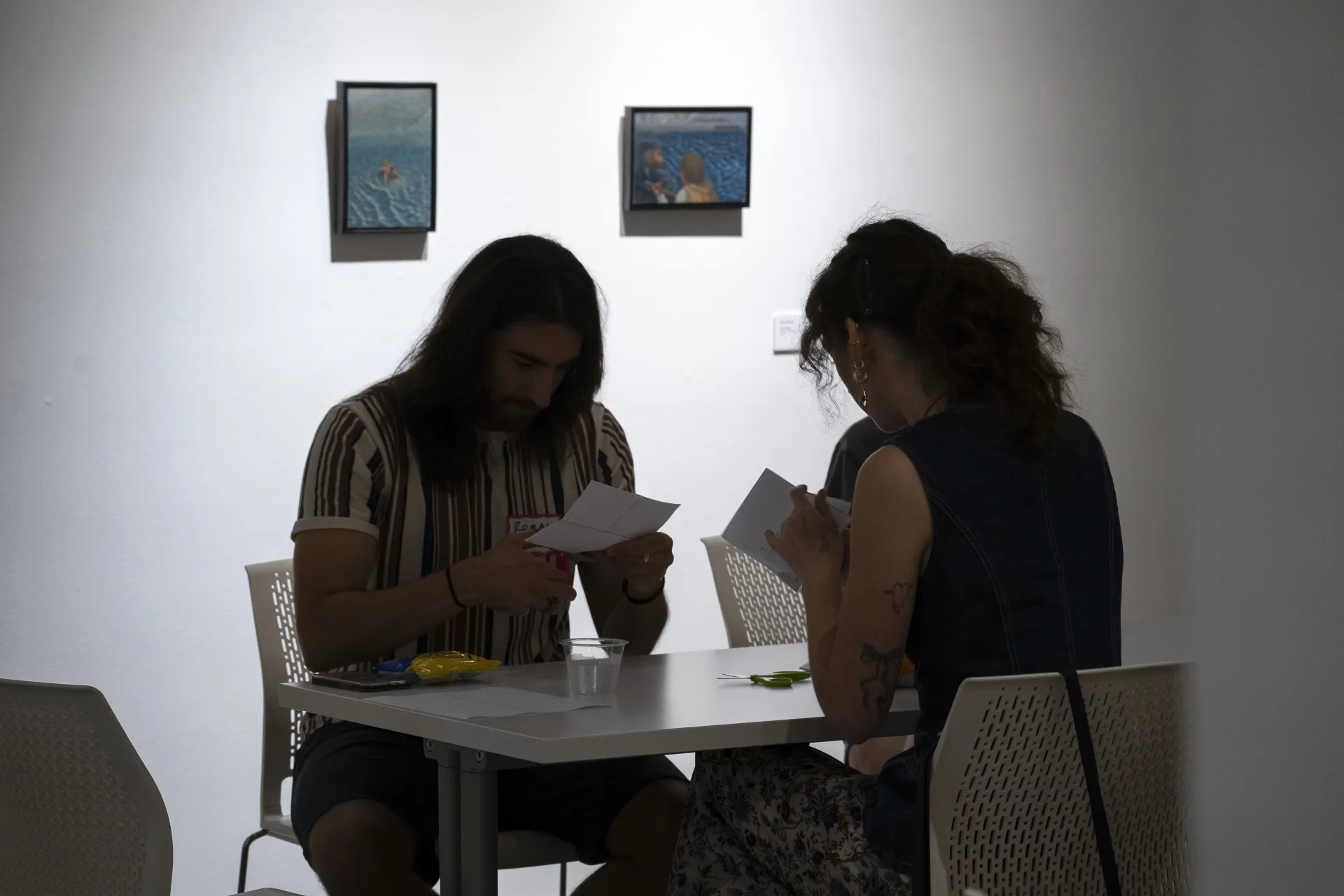
After all of the research and exploration of zines, culture, and history, I was ready to prepare for the actual event. I had an outline planned: I wanted to give a brief presentation, teach the attendees how to make a one-page zine, give some prompts to inspire conversations or creations, and provide time for anyone who felt comfortable to share their zine with the other guests. I also knew that I wanted tables to be small and cozy so that people wouldn’t be overwhelmed and name tags so people could make friends. My biggest goal was to create an environment that really embodied Artist Commune: a safe place for artists to create in community.
When the time came to lead Zines Out Loud, I was exceedingly nervous. I had put so much effort into learning about zines—practically starting from square one—and I had never been the primary facilitator of an event before. I put a lot of pressure on myself to make sure that all attendees had fun, met new people, learned something, and created a zine they were proud of. The other interns and I worked hard to create buttons, gather materials, and set out snacks. Without my fellow interns, Artist Commune: Zines Out Loud would not have been possible.
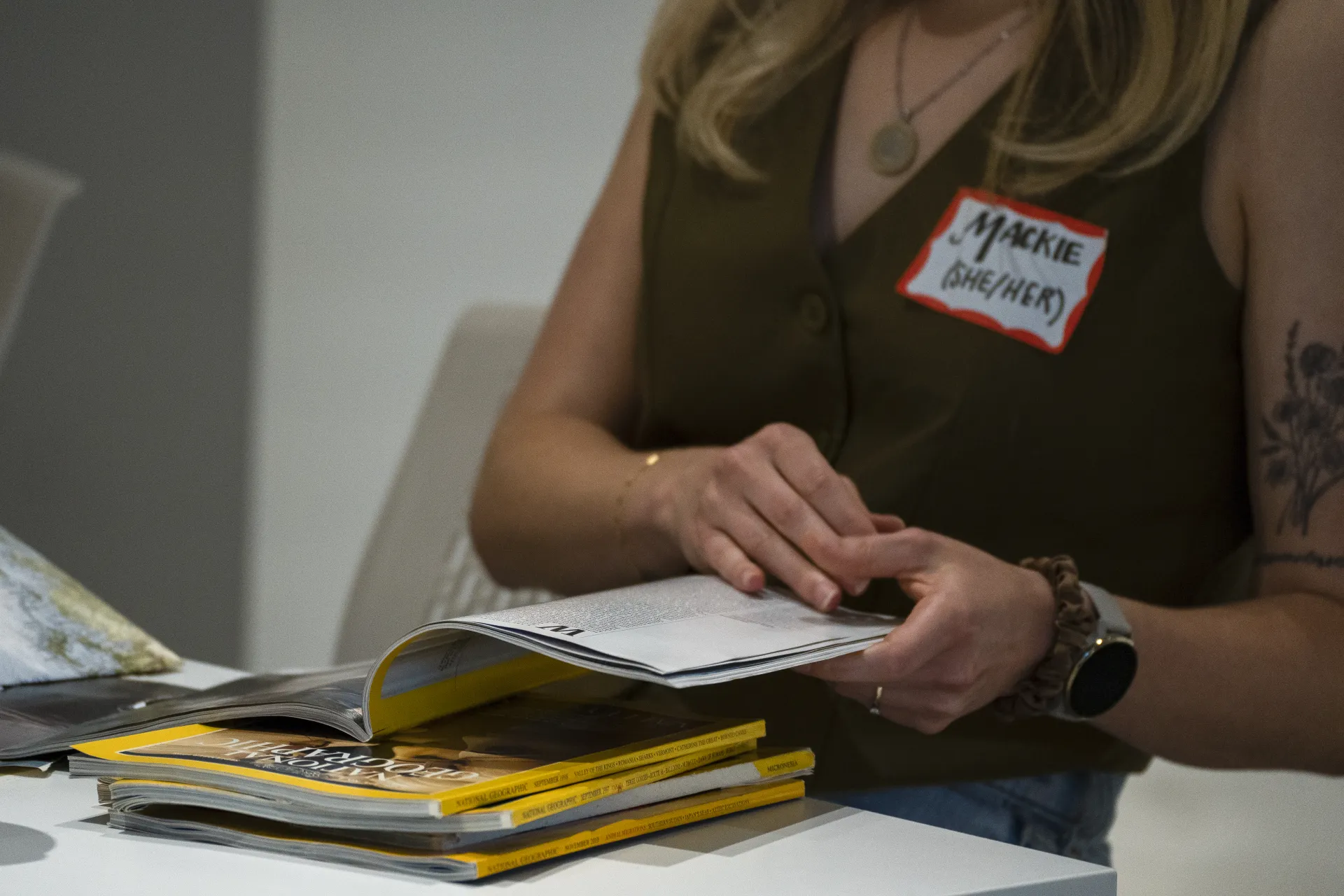
When attendees came trickling in that Friday and I finished my presentation, all of my nerves flew out of my body. My month of research, experimentation, preparation, and anxiety was visually in front of me, taking the form of dozens of queer people and allies creating zines, meeting new people, and putting their lived experiences out on the page.
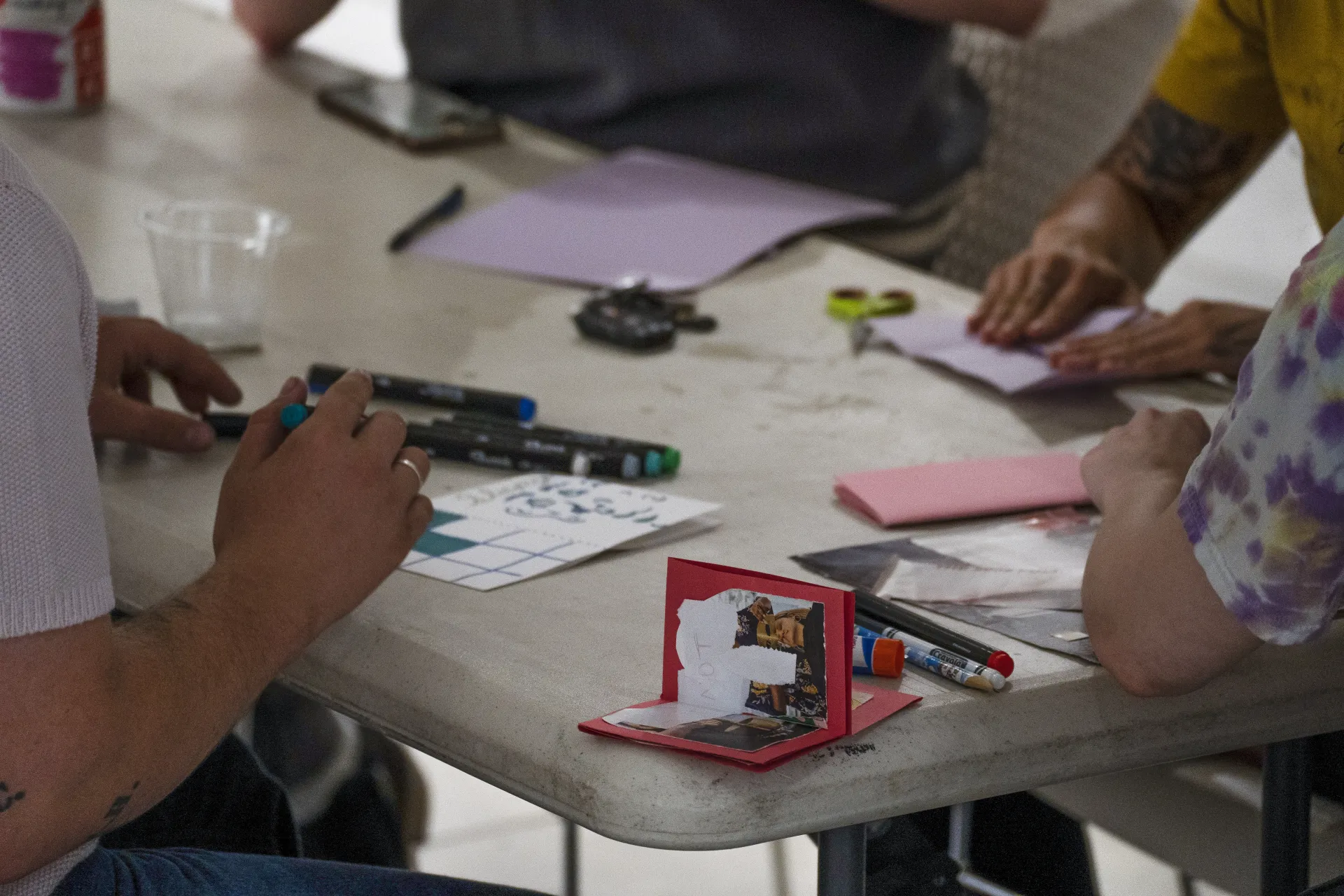
Overall, I loved learning so much about zines to help foster community through Artist Commune: Zines Out Loud. In such a short time period, I went from exploring the basics to leading those who had never made zines before and providing a space for those more experienced. I am immensely grateful for the experience and all that attended this event.
If you want to learn more about zines, check out Zine Club Columbus and the Rare Books and Manuscripts library! You can also attend Urban Arts Space’s next event, Artist Commune: Blue:Print, on July 25, 2025 from 6:30–8:30 PM at our downtown gallery.